
Door Buying Guide

Find the Right Doors for Your Home

Compare entry doors, sliding patio doors and stacking patio doors, see where each one fits, and understand the glass, security and hardware choices behind them.

30+ YearsServing homeowners
PremiumQuality products
ProfessionalInstallation
Most Installs1–2 days

Want the shortest version?

Use this as a starting point. We confirm the right size and configuration after seeing the opening.

Front door, low upkeepFiberglass entry
Modern exteriorSteel entry
More light at the entrySidelites or transom
Standard deck access2-panel slider
Wider patio opening3- or 4-panel slider
Open up a whole wallStacking patio door
How they differ

Entry & Patio Doors Explained Without the Jargon

Material, glass and how the door opens change how it looks, how secure it feels and how it holds up to Ontario weather.

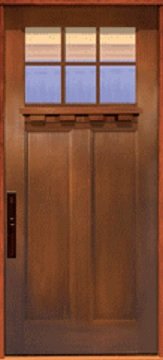
Stage fiberglass craftsman entry door in fir grain
Fiberglass skin · composite frame

Fiberglass Entry Doors

The skin is fiberglass, with full-length composite stiles and composite top and bottom rails, so there is no wood to soak up water. It resists moisture, dents and splintering, and comes smooth or in oak and mahogany grain you can paint or stain.

Choose it whenYou want a door that looks good for years with very little upkeep.
Style rangeCraftsman, panel, arch-top and flush designs, with or without decorative glass.
Stage Linea steel entry door with horizontal grooves
Steel panel · contemporary profile

Steel Entry Doors

Steel doors suit clean, modern exteriors: flat or grooved panels, tall sizes and long pull handles. Pair one with a full-height sidelite to bring light into the entry without giving up privacy at the door itself.

Choose it whenYour home has a contemporary look and you want a strong, simple door.
Good pairingMulti-point locks and a matching sidelite for a finished, secure entry.
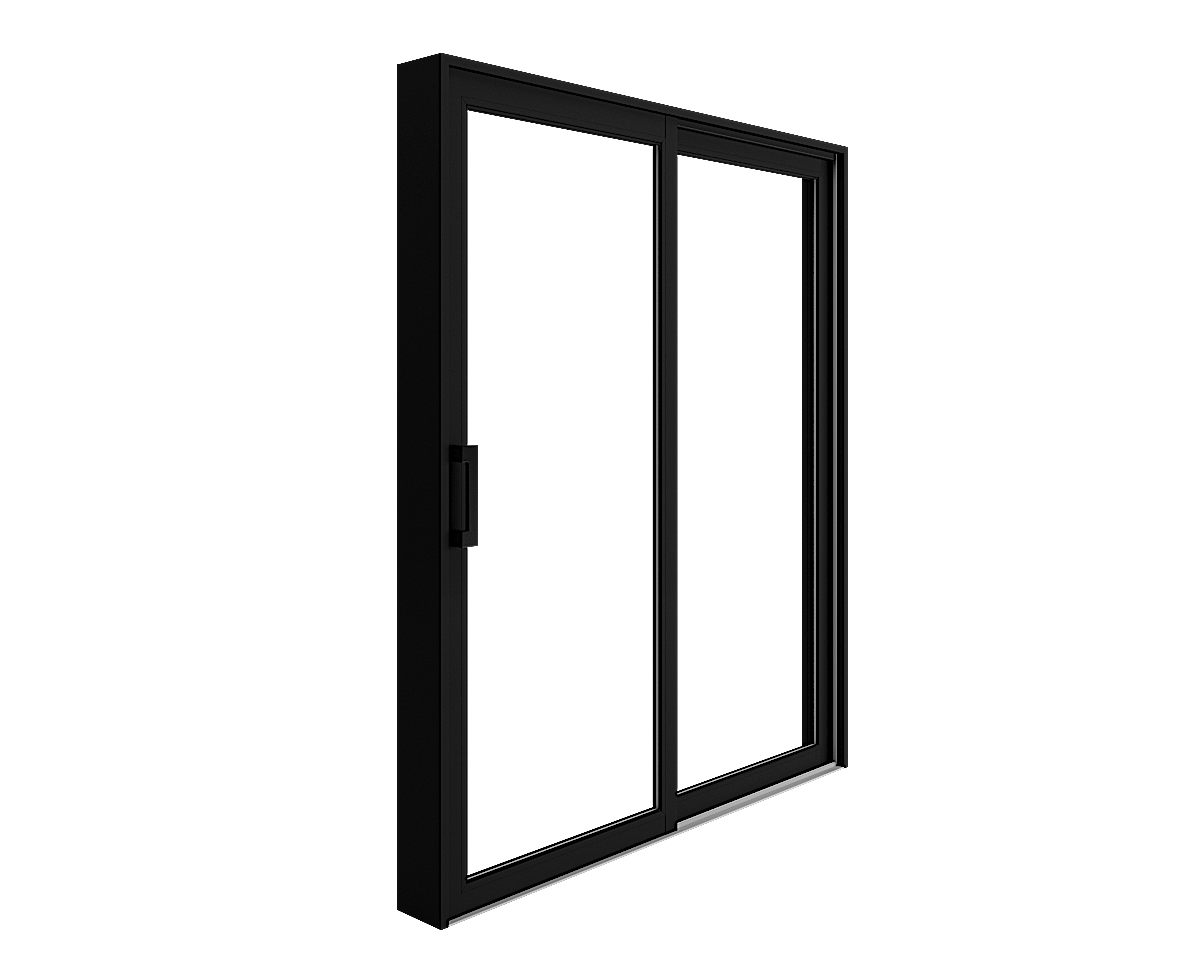
Black two-panel sliding patio door
Horizontal glide · 2, 3 or 4 panels

Sliding Patio Doors

Welded vinyl sashes reinforced with galvanized steel, on adjustable nylon rollers rated up to 440 lbs per panel. A twin-lock system, heavy-duty screen and anodized aluminum sill come standard, with tempered Low-E glass and argon.

Choose it whenYou need deck or yard access without a door swinging into the room.
SizesTwo panels from about 5 to 8 feet wide, up to four panels near 16 feet.
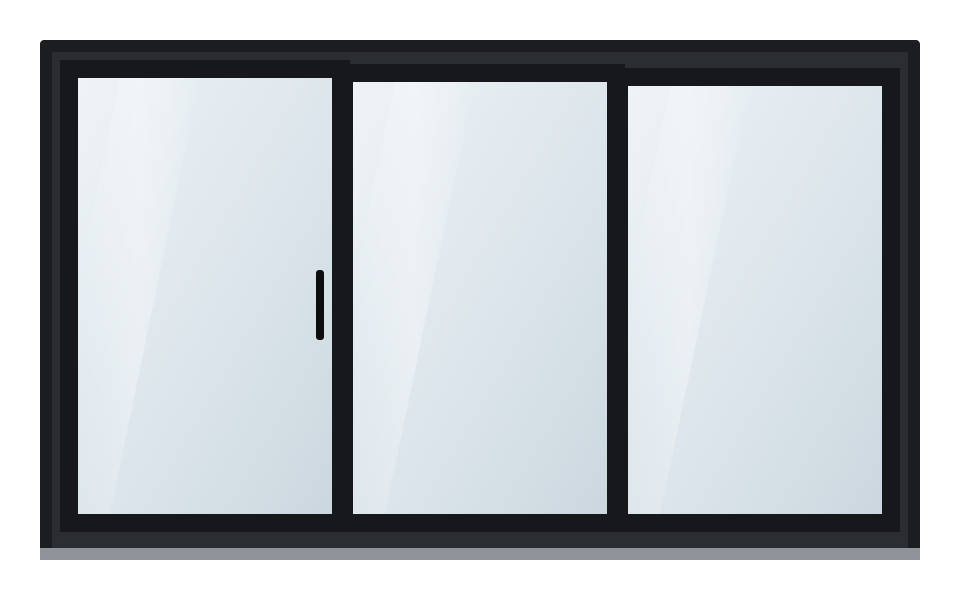
Black three-panel stacking patio door
Stacked panels · extra-wide opening

Stacking Patio Doors

Panels slide and stack behind one another, so a large part of the wall opens at once. Three panels reach about 12 feet, six panels up to 21 feet. Laminated security glass, better sound control and a retractable screen are available.

Choose it whenThe view and the indoor-outdoor connection are the reason for the project.
Plan aheadWide openings need the right header, so we check the wall before quoting.
Room-by-room starting point

Which Door Works Best Where?

Practical starting points for the most common door replacements.

Front Entry

Fiberglass or steel with sidelites or a transom if you want more light.

Side or Garage Entry

Fiberglass with a small doorlite or none, for privacy and low upkeep.

Kitchen to Deck

2-panel slider for everyday access without swing space.

Family Room

3- or 4-panel slider for a wider glass wall to the yard.

Great Room

Stacking patio door when you want to open up the whole wall.

Sunny Exposure

Built-in mini blinds between the glass to control light with no dusting.

Performance made simple

The Door Style Is Only Half the Decision

Glass, locks, rollers, sills and installation decide how a door feels every day and how it handles wind, rain and cold.

What is built into the frame matters.

Steel-reinforced sashes, welded corners and twin locks keep a patio door rigid, secure and smooth for years.

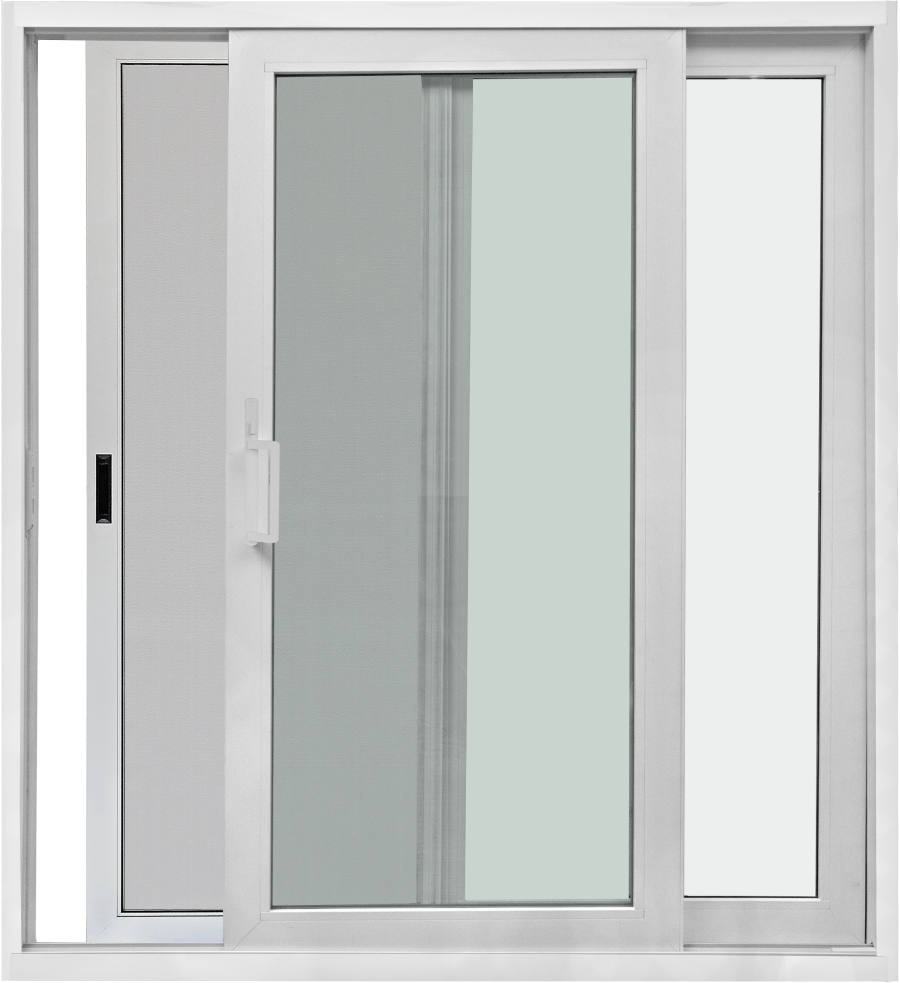
White sliding patio door with screen
GlassLow-E & Argon

Patio doors come standard with tempered Low-E glass and argon gas, in double or triple glazing.

SecurityTwin & Multi-Point Locks

A twin-lock system on patio doors and multi-point hardware on entry doors give a firmer, safer close.

GlassLaminated Security Glass

Optional on stacking doors. The glass stays bonded to its interlayer if broken, making forced entry harder.

FrameSteel-Reinforced Sash

Galvanized steel in the vertical sashes reduces flex in high wind and adds strength.

Air & WaterAdjustable Sills

Entry door sills adjust for a tight seal and are designed to keep water out of the threshold.

InstallationProfessional Fit

Square, plumb and well sealed. A great door still depends on how it is set into the opening.

Make it yours

Options Worth Knowing About

Most of these can be added to the door you choose. We go through them with you at the estimate.

Entry Door Options

Shape the look and the light at your front door.

✓Decorative and privacy glass, from clear to fully obscured.
✓Sidelites and transoms to brighten the entry.
✓Paint colours, wood-grain stains and handle sets in several finishes.
Is it time?

Common Signs Your Doors Need Attention

Some problems point to the slab or glass, some to the hardware, and some to the frame and installation.

Drafts at the DoorLight or air around the edges means worn weatherstripping or a door that no longer seals.
Hard to Slide or LockWorn rollers, a bent track or a sagging door make everyday use a chore.
Fog Between PanesMoisture inside the glass means the sealed unit has failed.
Rot, Rust or DentsDamaged slabs and sills let water in and look tired from the street.
Still not sure?

Here Is the Simple Answer.

Start with the opening and how you use it. We handle sizing, options and the technical details at the measurement.

Front doorStart with fiberglass.
Modern exteriorLook at steel.
Darker entryAdd sidelites or a transom.
Standard deck doorUse a 2-panel slider.
Wide openingGo to 3 or 4 panels.
Want a whole open wallConsider a stacking door.

Premium Door Systems, Professionally Installed.

We source our entry and patio doors through Stage Windows & Doors, a Canadian manufacturer based in Vaughan. We help you choose the style, glass and hardware, then handle the measurement and professional installation.

Get a Free Estimate
Door buying questions

Frequently Asked Questions

Straight answers before you request a measurement or estimate.

Fiberglass or steel: which entry door is better?

Fiberglass is the strongest all-round pick for most homes because it resists moisture, dents and rot and can be painted or stained. Steel suits modern exteriors with clean, flat panels.

How wide can a patio door be?

Sliding patio doors run from about 5 feet wide with two panels to nearly 16 feet with four. Stacking patio doors reach about 12 feet with three panels and up to 21 feet with six.

Are sliding patio doors secure?

Yes. The doors we install use a twin-lock system with heavy-duty hooks and steel-reinforced sashes, and laminated security glass is available on stacking doors.

Can I get blinds inside the glass?

Yes. Mini blinds sealed between the panes are available on many patio door sizes. They tilt and lift, and never need dusting.

Can you add sidelites or a transom to my entry?

Usually, yes. We check the opening and wall framing during the measurement and tell you what fits.

Do I need to know the exact door size before I contact you?

No. Tell us which door you want to replace and what bothers you about it. We measure and recommend the right size and options.

Ready to upgrade your doors?

Tell us your city and which door you want to replace. We will help you narrow down the style, glass and installation for your home.